Neurodivergent talent isn’t just for tech, why manufacturing is an overlooked fit
Neurodivergent people often excel at systematic thinking, pattern recognition, and sustained focus on precise rules. While tech careers have been the default recommendation, these same strengths align with skilled trades like machining, welding, and CNC programming. The assumption that manufacturing environments are too sensory-challenging overlooks the built-in structure, standard operating procedures, and universal safety equipment that can make them unexpectedly accommodating. The real gap is not a lack of fit, but a lack of deliberate outreach and program design, leaving a whole sector unexplored.
Microsoft runs a hiring event built specifically for neurodivergent candidates. JPMorgan Chase has its own program. A whole coalition of employers gathers under the Neurodiversity @ Work Employer Roundtable, founded in 2017, to compare notes on inclusive hiring across industries. You'd be hard pressed to name a mechanical engineering firm or a manufacturing plant among them. Ask a career counselor to list three companies known for neurodivergent hiring, and you'll almost always get tech names back. That's not an accident of memory. It's a reflection of where the conversation has been happening.
Why the conversation narrowed to tech
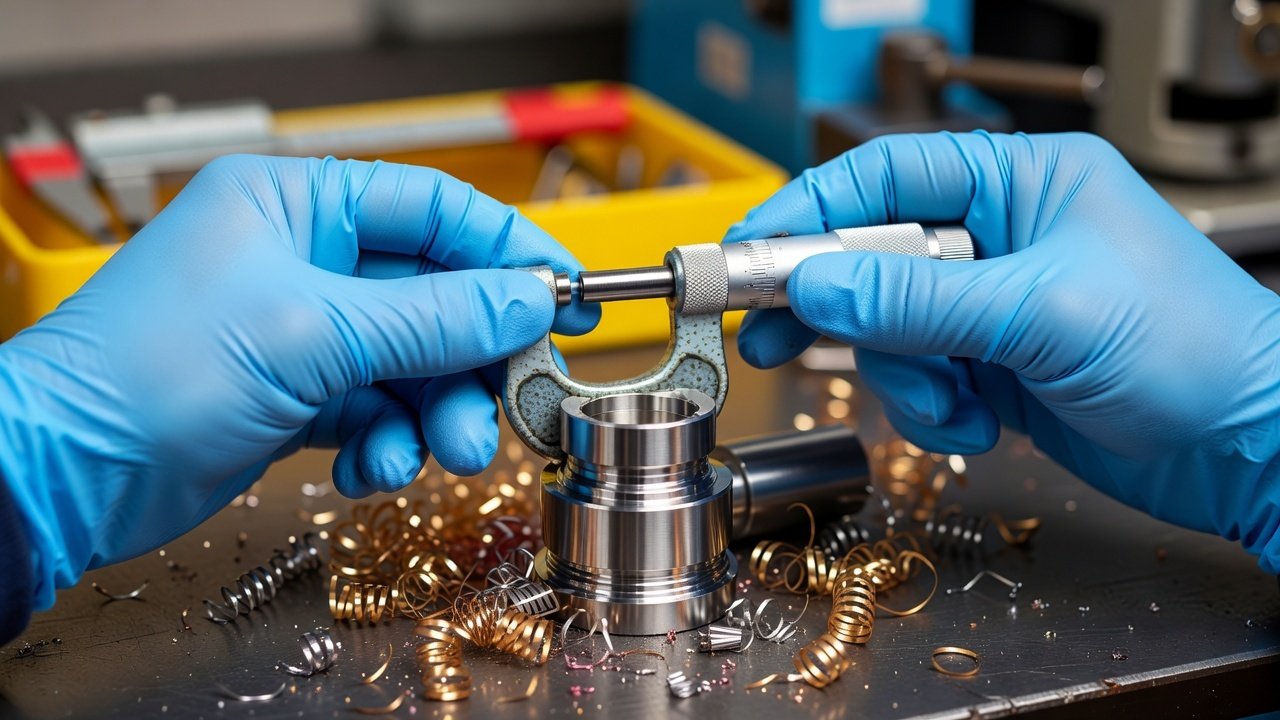
The assumption underneath all of it is simple: neurodivergent people are good with systems, patterns, and detail, and the clearest place to use those gifts is a computer screen. Nobody argues the underlying skills are wrong. Systematic thinking, pattern recognition, sustained focus on precise rules, these are real strengths for many neurodivergent professionals, and software has absolutely built careers around them. But the skills themselves were never exclusive to code. One widely used career guide for neurodivergent job seekers lists mechanical engineering as an excellent fit precisely because of the attention to detail the work demands. A torque spec, a tolerance measured in thousandths of an inch, a wiring diagram that must match the build exactly, none of that cares whether the hands doing the work are also comfortable in a terminal window. It cares whether the work gets done right.
So why did the story narrow to one industry? Part of the answer is history. Early, well-publicized neurodiversity hiring efforts came out of technology and finance, and once a handful of visible programs existed, media coverage and career advice followed the visible examples rather than hunting for less visible ones. Academic research followed a similar groove. One strand of work on inclusive employment pathways for autistic workers has concentrated heavily on software engineering roles, treating coding as something close to the default path worth studying. None of that is wrong on its own terms. It just leaves a blank space where manufacturing should be, and blank spaces in research tend to become blank spaces in hiring practice. The cost isn't abstract. It's a person with strong spatial reasoning and a genuine interest in how machines fit together, sitting through a bootcamp they didn't ask for because nobody ever mentioned the machine shop down the road was hiring, or wanted to be.
The sensory argument, and why structure matters more
Here's the strongest version of the counterargument, and it deserves a real answer. A factory floor is loud. It involves moving equipment, safety protocols, and constant physical coordination with other people, which sounds like a much harder sensory and social environment than a quiet office with noise-canceling headphones and a Slack channel. Someone could reasonably argue that a keyboard job protects against exactly the kinds of overload a shop floor guarantees.
The answer is that manufacturing already runs on the very thing many open-plan tech offices lack: enforced structure. Standard operating procedures, torque specs, single correct answers for each step, mandatory personal protective equipment worn by everyone regardless of need, checklists that don't bend to mood or ambiguity. A machinist doesn't have to negotiate whether ear protection is a reasonable accommodation. It's already required equipment for the whole crew, which quietly strips away the stigma that comes with asking for something different in a software office where the norm is open desks and impromptu meetings. An assembly line has a defined right answer at every station. A stand-up meeting with shifting priorities often doesn't.
A small bridge that proves it works
FALA Technologies is a concrete example of what happens when someone builds a bridge instead of assuming one exists. The company runs an apprenticeship program that trains neurodivergent people in advanced manufacturing and technology roles, partnering with a local service provider to identify candidates, train them, and support them once they're on the floor. It's a small program, not a movement, and it would be dishonest to pretend otherwise. But it proves the model works when someone builds it deliberately, matching structured onboarding and outside support to a trade that already rewards precision and repeatable process.
What nobody has tested yet
Compare that to what's happening on the software side. Microsoft's Neurodiversity Hiring Event has been described, including by at least one participant who received an autism diagnosis at 16, as something that finally felt built with them in mind: thoughtfully designed in its people, its content, and its pacing. That's a real and useful thing to know about, and it says something important: hiring processes can be redesigned on purpose, rather than left as an obstacle course that happens to favor neurotypical communication styles. What nobody has actually tested, as far as the public record shows, is whether that same deliberate redesign, applied to a shop floor orientation or an apprenticeship interview, would work the same way. It's a reasonable hypothesis, not an established fact, and the honest version of this argument treats it that way. The pieces that made Microsoft's event work: clear structure, predictable pacing, plain information, aren't unique to software. There's no obvious reason a first day on a manufacturing floor couldn't borrow the same design thinking. Nobody has published the results of trying, which is itself worth noticing.
That absence points to something bigger than any one company's oversight. The Neurodiversity @ Work Employer Roundtable describes itself as spanning many industries, united by the belief that organizations do better work when they tap into the specific talents of neurodivergent employees. Look at the kind of companies that tend to get named alongside it, though, and the pattern leans hard toward finance and technology. That's not proof manufacturing firms are hostile to the idea. It's evidence that nobody has done the outreach yet, which is a very different problem, and a more fixable one.
If your own path really does run through a keyboard, that's a legitimate choice and there's nothing wrong with taking it. Structured, practical tracks exist for people who want that route with real support built in, including a Career Advisor and specific paths like QA & Test Engineering or a Cybersecurity Track for people starting from zero. But those platforms teach software skills, not machining, welding, or CNC programming, and this article isn't pretending otherwise. The overlooked shop floor sits outside what any coding curriculum covers, which is exactly why the gap has stayed open this long.
One concrete step to start
So here's the one useful thing to actually do with this. Pick a local option: a community college machinist certificate program, a union apprenticeship board, a small job shop that's posted an opening, and ask them directly whether they've worked with neurodivergent apprentices before, or whether they'd be open to it. Don't expect a polished program waiting on the other end the way FALA built one. Expect, honestly, that most places haven't been asked the question yet, and that your asking is what starts the conversation rather than confirms an answer already sitting there.
Give yourself one week and three names on a list. A community college with a machinist certificate, a local union apprenticeship office, one small manufacturer with a job posting. Send each of them a short message asking how they've supported neurodivergent apprentices, or whether they'd consider it. You might get silence. You might get a real answer.
FAQ
Are neurodivergent people only suited for tech jobs?
No. Strengths like systematic thinking, attention to detail, and comfort with rules are valuable in many fields, including manufacturing trades like machining and welding. The focus on tech is largely due to early, visible hiring programs rather than an exclusive fit.
Isn't a factory floor too overwhelming for someone with sensory sensitivities?
It can be, but manufacturing often has enforced structure: standard procedures, required protective equipment for everyone, and clear right answers at each step, that can reduce the social and sensory ambiguity found in many open-plan tech offices.
Are there any programs that train neurodivergent people for manufacturing?
Yes, FALA Technologies runs a small apprenticeship program specifically for neurodivergent individuals in advanced manufacturing. It's a working model, though such programs are still rare.
How can I explore manufacturing opportunities as a neurodivergent person?
Pick three local options: a community college machinist program, a union apprenticeship office, or a small manufacturer with a job posting, and ask directly whether they have experience with or are open to neurodivergent apprentices. Most places haven't been asked yet.